
Best 115V DIY Mini Split: Real Options, Costs, and When I Still Recommend a Pro
My top pick for the best 115V DIY mini split is the Zone Air 12,000 BTU 115V pre-charged system with plug-in kit.
- Written by
- A working HVAC tech
- Updated
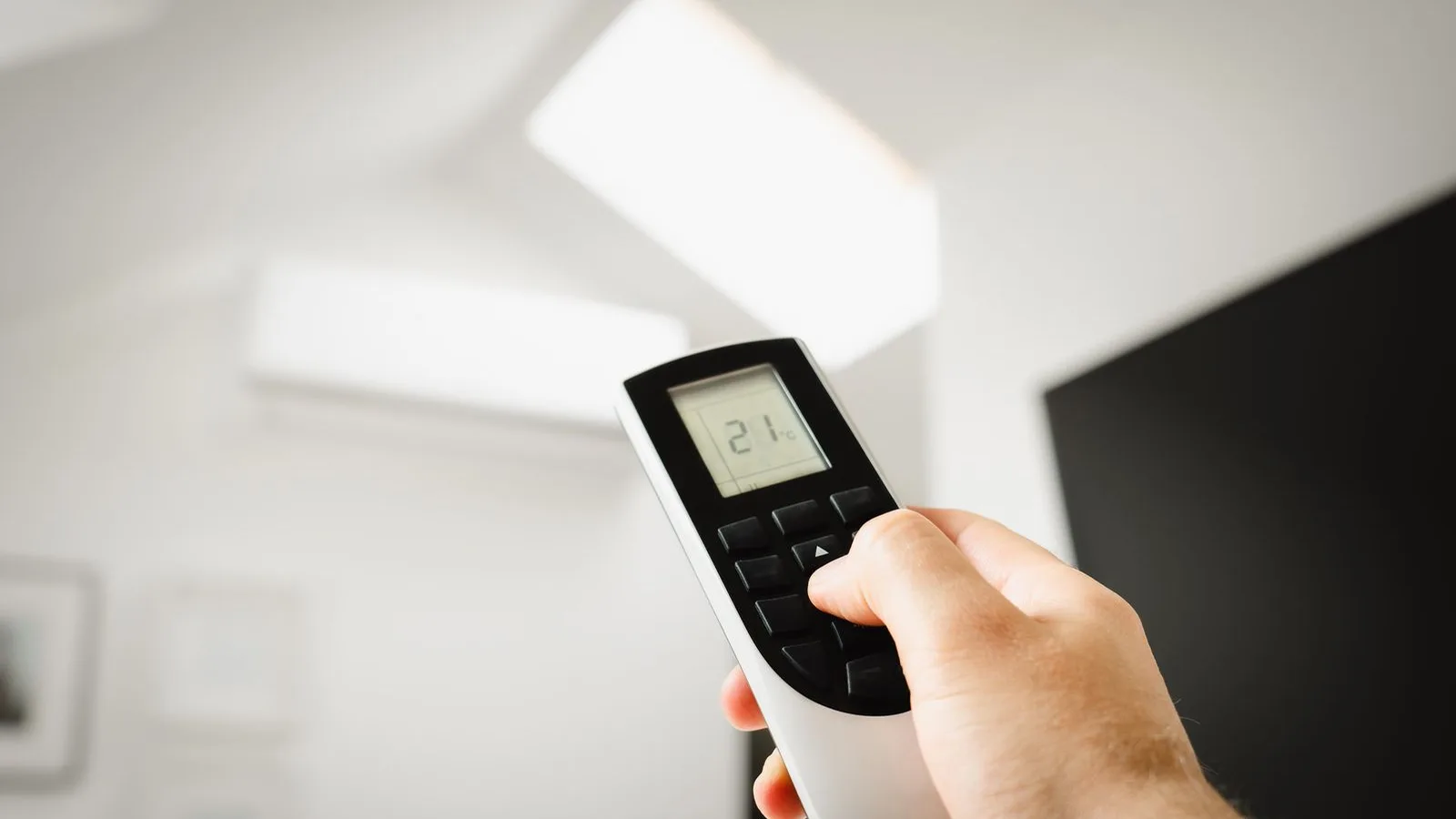
It delivers 23 SEER2 efficiency, uses a pre-charged quick-connect line set custom-cut to the length your run needs, anywhere from 5 to 75 ft (zone-air.com), and carries a 5-year parts / 7-year compressor warranty that DIY installation doesn't void (Zone Air's site). Zone Air's 115V plug-in kit lets the system plug into an outlet, where MRCOOL's 115V DIY units are hardwired. My value pick for tool-owners is a flare-type 115V system like the Pioneer Diamante or Senville LETO 12,000 BTU.
When people search for a "115V DIY mini split," they're usually looking at single-zone, 9,000 to 12,000 BTU heat pump systems that can connect to a standard household circuit. These units are popular for applications in small rooms and garages, and they're typically limited to those 9K–12K BTU sizes. Many 115V mini splits are designed for easy homeowner installation and are often sold as complete installation kits. The big divide is between pre charged quick-connect systems (no vacuum pump needed) and traditional flare connections that require HVAC tools and refrigerant handling.
I'm a mini split installer and service tech. ASHRAE puts Madison, Wisconsin in climate zone 5A with roughly 7,053 heating degree days versus only 653 cooling degree days, so heating capacity drives mini split sizing here, not cooling. Everything in this article comes from experience installing, troubleshooting and fixing both DIY and contractor-grade equipment. I'll compare real 115V options, spell out who each is best for, and explain where a homeowner still needs a licensed tech.
How We Chose the Best 115V DIY Mini Split Systems
I'm not forcing a "Top 10" list filled with uncommon brands I've never touched. I narrowed down to strong, distinct 115V options that make real sense for DIYers in 2026, based on systems I've installed, serviced, or been called to fix.
I've included flare-type 115V systems like Pioneer units, Senville and others where they make sense for tool-owners or for homeowners who are hiring a tech to do the evacuation. But I weigh warranty language carefully. Senville's warranty, for example, says the line sets must be pressure tested and evacuated by a licensed HVAC professional, and that DIY installation voids coverage. That changes the math.
Key Evaluation Criteria
Here's what I would look at when picking these systems:
-
Performance and efficiency: Cooling capacity and heating output for 9K–12K BTU 115V systems. Efficiency is measured by SEER2 ratings for cooling performance. You should look for a SEER2 rating of 20 or higher if you want to keep energy costs down. Zone Air's 12K 115V model has a SEER2 rating of 23. MRCOOL's 12K 115V condenser is rated at 23.5 SEER2. Value brands typically land around 18–22 SEER2. High-efficiency mini splits use variable-speed inverter compressors to save energy and maintain comfort.
-
Cold weather heating for Madison: Our climate is heating-dominated, so I look at heating performance at 5°F to 17°F before I worry about peak cooling capacity. Many 115V mini splits can still heat when it's below freezing, but the amount the capacity drops varies a lot between brands. Zoned heating and cooling can also help you avoid energy losses from ductwork. That matters in older Madison homes.
-
DIY-friendliness: Whether the line sets are pre charged quick-connect (no vacuum pump, no refrigerant type handling) or require a vacuum pump, micron gauge, flaring tools, and gauges. Pre-charged systems eliminate the need for refrigerant handling entirely. I also compare electrical hookup style: Zone Air's plug-in 115V kit versus MRCOOL's hardwired 115V approach and what each means for needing an electrician.
-
Warranty and support: How clearly DIY installation is allowed or restricted. Zone Air's warranty allows homeowner installs with 5-year parts and 7-year compressor coverage. Senville needs a licensed HVAC pro involved or coverage is voided. I also look at who handles returns and warranty claims: Zone Air sells direct, and warranty claims, returns and swaps are handled directly with Zone Air, while MRCOOL sells through authorized sellers and retailers, so returns and swaps depend on the seller.
-
Total installed cost: The price of the equipment plus the cost of add-ons like wall brackets, disconnect, line-hide and condensate pump. I factor in tool costs if you go flare-type: a vacuum pump, plus gauges, torque wrench and flaring block. Sometimes it's cheaper to pay a tech like me to do the evacuation and leak checks than to buy tools you'll only use once.
-
Reliability and real-world feedback: Brand track record, typical failure points I see (line-set connection leaks, condensate issues, control boards), and how each brand responds to parts requests. Zone Air systems undergo final assembly, testing, and inspection in the USA, shipping pre-inspected. Zone Air averages 4.8/5 across verified customer reviews, and reviewers frequently mention helpful support during installs and warranty questions.
-
Fit for Madison-area homes: Suitability for garages, bonus rooms, finished basements and older Wisconsin homes where running a 230V circuit through the foundation is expensive. Wisconsin did not adopt NEC 210.8(F), the 2023 rule requiring GFCI protection on outdoor outlets that feed equipment like heat pump condensers (SPS 316.210(1)(e)), so the nuisance-tripping GFCI breaker issue other states deal with on inverter mini splits doesn't come from state code here.
Best 115V DIY Mini Splits for 2026 (Ranked)
After I cut the weak or extra options, I found four strong 115V categories. You get one true DIY pre-charged quick-connect kit and three flare-type value options if you are a capable DIYer or you are hiring a tech to do the evacuation. Every option below is single-zone, 115V, heat pump capable and sized right for spaces up to about 500–700 sq ft.
1. Zone Air 12,000 BTU 115V Pre-Charged DIY Mini Split (Best Overall 115V DIY Choice)
So which 115V DIY mini split has the least friction for most Madison-area homeowners? This is my top recommendation. It has high efficiency, a plug-in power kit, pre-charged quick-connect line sets that come in custom lengths, and a DIY-friendly warranty with direct support from the manufacturer.
Why It Stands Out
Zone Air's 115V systems reach 23 SEER2, and Zone Air is often 15–30% less than comparable MRCOOL systems. The custom line-set advantage is real: Zone Air is the only DIY mini split brand that does custom line set fabrication (as of November 2026), cutting each pre-charged quick-connect line set to the length your run needs, anywhere from 5 to 75 ft in a single run. Fixed-length kits from other brands often need extension line sets to reach longer runs, and every extra coupling is another potential leak point.
The plug-in kit lets Zone Air's 115V system plug into a dedicated outlet where local electrical code allows, reducing or eliminating electrical labor when a suitable circuit already exists. Zone Air calls the 115V system with its plug-in kit "the easiest systems to install on the market." Each system goes through final assembly, testing, and inspection in the USA, so every unit is checked before it ships. The outdoor unit heats down to −13°F, which is suitable for cold weather heating in our zone 5A winters.
Best For
-
Homeowners who are after the most DIY-friendly installation with no vacuum pump or special tools, but still want high efficiency and solid heating performance
-
Garages, finished basements or large rooms in older Madison-area houses where pulling 230V is expensive or a hassle
-
Owners who want to deal directly with the manufacturer when they need to return something, get replacement parts or ask about warranty questions
Key Strengths
-
Pre-charged quick-connect line set custom-cut to length (5–75 ft), minimizing couplings and leak risk
-
High efficiency at 23 SEER2 for a reasonable price. Good value per SEER2 and per warranty year
-
With the 115V plug-in kit, the electrical work is simpler when you've got enough dedicated circuit near the outdoor unit
-
You get a 5-year parts warranty and a 7-year compressor warranty, and DIY installation doesn't void it. For warranty and return work, Zone Air handles it all directly (30-day returns on uninstalled units)
Possible Limitations
-
Limited to single-zone. If you're doing a whole-house multi-zone project, a 230V outdoor unit makes more sense, so this isn't the right fit for those
-
Still requires proper mounting, condensate drainage and compliance with local electrical code; some homeowners will correctly choose to hire out those pieces
-
At 23 SEER2, the 115V models are a step below Zone Air's 24 SEER2 230V systems
2. Pioneer Diamante Pro / Diamante 12,000 BTU 115V (Best 115V Value for Tool-Owners)
The Pioneer Diamante 12,000 BTU is known for reliability and quiet operation, and it's a strong budget choice if you already own vacuum and flaring tools or plan to hire a tech for the refrigerant work.
Why It Stands Out
The Pioneer Diamante Pro 115V system costs less up front than pre-charged DIY kits for a 12K 115V system in 2026. It's rated around 20 SEER2, which is solid for a flare-type unit. You can still get parts for it, and both installers and DIYers say it's reliable. Because it uses conventional flare connections, a pro tech can adjust the line-set lengths without any trouble.
Best For
-
You are an experienced DIYer who already owns or will buy a vacuum pump, a micron gauge, flaring tools and torque wrenches
-
Homeowners who are planning multiple installs, such as a house plus a garage plus a rental property, where spreading the cost of tools across projects makes financial sense
-
You are a Madison-area owner who is comfortable hiring a local tech just for the refrigerant side while you handle the mounting and electrical yourself
Key Strengths
-
At the 12,000 BTU 115V size, the equipment costs less than most "no-vacuum" DIY kits
-
It has a quiet run, so it works well in bedrooms, offices or studios where the sound level matters
-
It has a conventional design that any competent HVAC company tech already understands, which helps with long-term service
Possible Limitations
-
It is not a true DIY kit: it needs proper flaring, pressure testing and evacuation, and mistakes in these steps cause most of the refrigerant-side failures that I'm called to fix
-
Tool and gauge costs can wipe out the savings if you only ever install a single system
-
With professional-grade installation practices in mind, the warranty needs those standards, and poor DIY procedures can void coverage
3. Senville LETO 12,000 BTU 115V (Best 115V for Skilled DIYers Hiring a Tech)
With built-in WiFi and Alexa control, the Senville LETO 12,000 BTU has those features, so it's a feature-rich option at a good price. That said, you can't ignore the warranty language around professional evacuation and pressure testing.
Why It Stands Out
At a good price, the Senville LETO 12,000 BTU has a strong feature set: it has good SEER2, it runs quiet and the current models come with WiFi and Alexa capabilities built in. The Senville LETO 12,000 BTU has built-in WiFi and Alexa control that many premium brands charge extra for. Performance is decent for both cooling and moderate cold weather heating, so it works for garages, bonus rooms and one bedroom apartments.
Best For
-
You, if you want integrated smart control out of the box and you are comfortable coordinating with a local HVAC tech for the refrigerant steps
-
Buyers who want a low upfront price but who are okay giving up "pure DIY" for a hybrid install: you run lines and mount units, and a licensed tech handles vacuum and commissioning
-
Projects where warranty protection matters and you're willing to follow Senville's requirement that a licensed HVAC pro does evacuation and pressure testing
Key Strengths
-
A good balance of price and features, often under the cost of big DIY brands for a 115V 12K system
-
Smart home integration (WiFi, app control, voice assistant) is built into many LETO kits
-
Decent heating performance in cold weather for a budget-oriented 115V unit when it is properly sized
Possible Limitations
-
Flare-type with no pre-charged quick-connect lines. It needs vacuum, pressure testing and proper flaring
-
Senville's warranty states that pressure testing and evacuation must be done by a licensed HVAC professional. The warranty says that full DIY refrigerant work voids coverage
-
Tool costs or tech labor narrow the price gap versus true DIY mini split kits more than the price tag suggests
4. Budget 115V Flare Systems (Della, Cooper & Hunter, etc.) for Simple, Low-Use Spaces
This tier puts several budget 115V 9K–12K flare-based systems together in one group instead of ranking each one on its own. These are for light-duty or backup use where low cost matters more than premium support.
Why They Stand Out
Very low upfront cost for equipment, often well below mid-tier brands. The DELLA Motto 12,000 BTU is budget-friendly with WiFi capabilities. The Cooper & Hunter Sophia 9,000 BTU has a SEER rating of about 25, which is impressive for the price tier. Even COSTWAY 12,000 BTU can cool areas up to 750 sq ft. These units offer full heat pump function, making them viable for seasonal use in workshops or outbuildings. Many come bundled as a complete kit so a motivated DIYer can get everything in one shipment.
Best For
-
Garages, sheds, hobby shops or spaces that are not critical where you do not need as much reliability
-
You are an experienced DIYer who has flare and vacuum tools, or you plan to hire a tech to handle the refrigerant side
-
Property owners experimenting with mini splits before committing to more expensive hardware for main living areas
Key Strengths
-
Lowest equipment prices for 115V units capable of meaningful heating and cooling
-
You can find sizes (9K or 12K) that match the size of your room
-
Acceptable efficiency and noise levels for non-bedroom spaces when installed correctly
Possible Limitations
-
Inconsistent quality control. Replacement parts and warranty service can be slower or harder to obtain
-
Installation is standard flare-type and not especially DIY-friendly without HVAC tools
-
This is not my recommendation for primary heating in Madison's zone 5A winters. It works better as a system for the shoulder season or as extra heat
Quick Comparison of the Best 115V DIY Mini Splits
Here is a quick way to match each option to your situation without going back through the full reviews:
-
Zone Air 12K 115V Pre-Charged is the best overall 115V DIY mini split for most Madison-area homeowners. It has plug-in power, custom quick-connect line sets, a DIY-friendly warranty and 23 SEER2
-
Pioneer Diamante 12K 115V is best for experienced DIYers or people who rent out homes who already own vacuum/flare tools and want rock-solid value across multiple installs. It has about 20 SEER2
-
Senville LETO 12K 115V - Best for budget-conscious buyers who plan to hire a tech for evacuation but still want smart features and decent efficiency
-
Budget 115V Flare Brands (Della, Cooper & Hunter, etc.) Best for low-stakes garages and shops where a low price wins out over long-term warranty and premium support
Zone Air vs MRCOOL DIY 12K 115V
MRCOOL's DIY 5th Gen 12K 115V is the other pre-charged quick-connect kit in this size class. It has ENERGY STAR certification at 23.5 SEER2, compared to Zone Air's 23 SEER2 at 115V, and MRCOOL says you don't need special tools or training to install it. Here's where they differ:
-
Power: Zone Air's 115V kit can plug into a dedicated outlet; MRCOOL's 115V DIY units are hardwired, which usually means pulling a new dedicated circuit and possibly hiring an electrician, especially in older Madison panels.
-
Buying and support: Zone Air sells direct. You can't buy direct from MRCOOL. You buy through a dealer or store, so returns, trades and parts all go through whichever seller you bought from.
-
Line sets: Zone Air cuts one pre-charged run to length, 5–75 ft. MRCOOL sells fixed 11.5, 16, 25, 35 and 50 ft sets plus couplers for longer runs, and has you coil the excess behind the condenser.
-
Warranty: Both carry 5-year parts / 7-year compressor coverage. MRCOOL's DIY 5th Gen terms come with no registration required.
-
Price: Zone Air is often 15–30% less than similar MRCOOL systems.
Why Zone Air
Zone Air ships every system direct to consumer. All systems come pre-inspected after final assembly, testing, and inspection in the USA, and all warranty claims and returns or exchanges are handled directly with Zone Air. That makes it the best option for buyers who want a system independent of retail availability. Add a single custom-length line set with no coupling in the middle, a plug-in kit on the 115V models, a 4.8/5 average across verified customer reviews, and pricing often 15–30% less than comparable MRCOOL systems, and it's the 115V kit I'd put in most rooms.
How to Choose the Right 115V DIY Mini Split
Selection isn't just about brand. Room size, climate, your electrical panel, and your comfort level with tools all change the right answer. When selecting a 115V mini-split, consider the BTU capacity based on room size first, then work through electricity, skills, and budget. In Madison's climate, heating performance and safe electrical work matter as much as SEER2 marketing numbers.
Choose Based on Room Size and Insulation
Typical 115V capacities are broken down in the following way:
-
9,000 BTU: about 300–450 sq ft if the insulation is decent
-
12,000 BTU: about 400–650 sq ft, but garages with poor insulation may still need more capacity or envelope upgrades
Ceiling height, air leakage, big doors (like garage doors), and west-facing windows can push you up a size, but oversizing causes short-cycling and poor dehumidification. In Madison (zone 5A), heating demand dominates-sizing should consider winter loads, not just summer square-footage charts. A space that's comfortable to cool at 12K BTU in July might still need supplemental heat in January if the insulation is poor.
Choose Based on Electrical Situation
115V systems are attractive because they can sometimes use circuits that are already there, but a dedicated circuit is still required for mini-split installations. You need to check that the breaker size and wire gauge match the unit's MCA/MOP on the nameplate. No big tools or outlets should be on the same breaker.
The differences matter:
-
Zone Air 115V with plug-in kit: can plug into a dedicated 15A GFCI receptacle where local code allows (never an extension cord). This is often the easiest path to take when a properly sized dedicated receptacle already exists
-
MRCOOL DIY 115V: must be hardwired. That usually means you need a new outdoor disconnect and a new circuit from the panel, and adding a new dedicated circuit adds real electrical cost.
Wisconsin did not adopt the NEC 210.8(F) outdoor GFCI requirement for heat pumps, so you're not forced into nuisance-tripping GFCI breakers on these outdoor condenser circuits (SPS 316.210(1)(e)). That said, local amendments or inspector preferences can still vary, so check with your municipality. Local codes may require permits for mini-split installations regardless of voltage.
Choose Based on DIY Skill and Willingness to Hire a Tech
There's a clear line between:
-
True DIY kits (Zone Air, MRCOOL DIY) where the refrigerant side is sealed and you focus on mounting the units, doing the wiring and setting up the drainage
-
Flare-type systems (Pioneer, Senville, budget brands) where you need to do a proper vacuum, a pressure test and proper flaring to get reliability and to keep the warranty
The EPA angle matters here. The EPA defines a high-pressure appliance as one whose refrigerant has a liquid saturation pressure of 170–355 psia at 104°F, and names R-410A as an example. Mini splits aren't "small appliances," which are limited to factory-sealed units with 5 lb or less. Improper refrigerant handling is regulated, and leakage from bad flares is one of the most common field failures I respond to.
If you don't own HVAC tools, either stick with true DIY kits or budget for professional help. A licensed tech can pull a proper vacuum down to at least 500 microns, pressure test the lines, verify torque on flares and confirm correct operation in both heating and cooling modes. Professional mini-split labor varies widely with scope, but DIY installations can help reduce high labor costs associated with HVAC systems when you handle the mechanical side yourself.
Choose Based on Budget and Long-Term Costs
The cheapest equipment isn't always the cheapest project. Factor in:
-
Tool purchases versus hiring a tech for a few hours (a vacuum pump alone is a real expense)
-
Running cost over 10–15 years. The difference between ~18 SEER2 and ~23 SEER2 can save money each year on electricity, though we're talking tens of dollars annually, not hundreds, in a single-zone setup
-
Risk of voided warranties (ignoring Senville's licensed-tech requirement for evacuation, for instance) and paying out-of-pocket for early failures
In our climate, heating performance at low outdoor temps and defrost behavior may matter more for bills than small SEER2 differences. Pre-charged kits like Zone Air's cost more upfront than flare budget models, but in my experience they lead to fewer callbacks and less risk when installed carefully. That's real savings over the life of the system.
Which 115V DIY Mini Split Is Best for You?
There isn't one universal winner. Depending on how much work you want to do yourself, what tools you own and how critical the space is, the right choice changes. Here's the short version:
-
Choose Zone Air 12K 115V if you want the best all-around 115V DIY mini split: it has high efficiency, a plug-in power option, a custom quick-connect line set, and a direct-from-manufacturer warranty that allows DIY
-
Choose Pioneer 12K 115V if you already own vacuum and flare tools (or you plan to do multiple installs) and you want a solid, conventional system at a lower price
-
Choose Senville LETO 12K 115V if you are cost-conscious but you plan to hire a licensed HVAC tech to do the evacuation so you keep your warranty coverage. You want smart features
-
Choose a budget 115V flare system (Della, Cooper & Hunter, etc.) only for low-stakes spaces where you accept more risk on warranty and long-term support
If you want help sizing a system for zone 5A winters, or you want a hybrid install where you do the simple carpentry and I handle line sets, evacuation, and electrical, reach out-I'm happy to take a look at your space.
Final Thoughts
115V DIY mini splits are ideal for single-zone projects where running 230V is tough, such as garages, bonus rooms, basements and older homes where the panel is already full. True DIY quick-connect systems like Zone Air and MRCOOL DIY get rid of the problem with refrigerant, but they still need solid mounting, drainage and electrical work. Flare-type 115V systems from Pioneer, Senville and budget brands stay great value for skilled DIYers or those willing to hire a licensed tech for commissioning, but poor DIY refrigerant work is the number one reason I see early failures.
If you're looking for sizing help, site-specific advice, or partial or complete professional installation, reach out through howtoinstallminisplit.com. I'd rather help you get it right the first time than fix it later.